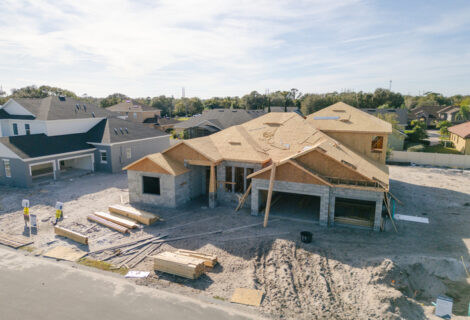

5 Actionable Steps for Securing Real Estate Development Financing
Securing financing is the backbone of any successful real estate development project. Instead of worrying about potential pitfalls, focus on these five proactive strategies to ensure a smooth funding process and long-term profitability.
1. Build a Comprehensive Budget
Don’t stop at land acquisition and construction costs. To get an accurate financial picture, you must account for the “hidden” expenses.
- Include Soft Costs: Factor in permitting, zoning fees, architectural, engineering, and legal fees.
- Calculate Carrying Costs: Remember to include property taxes, insurance, and maintenance during the build.
- Add a Buffer: Build in a financial contingency of at least 10-20% to cover unexpected expenses without derailing your cash flow.
2. Align Your Financing Structure with Your Strategy
The cheapest rate isn’t always the best loan. Choose a capital stack that supports your specific business plan.
- Balance Risk and Leverage: Assess Loan-to-Cost (LTC) and Loan-to-Value (LTV) ratios carefully. Higher leverage offers more cash but increases risk.
- Check the DSCR: Ensure your projected cash flow is strong enough to cover debt service payments comfortably.
- Read the Fine Print: Look for flexible terms regarding prepayment penalties and loan covenants to ensure you aren’t restricted later.
3. Secure Funding Before Breaking Ground
Time is money. Start the financing conversation as early as possible to avoid delays caused by tight lending requirements or market shifts.
- Get Pre-Approved: Having funding lined up puts you in a stronger position to negotiate terms and close deals faster.
- Prepare Documentation Early: Have your appraisals, feasibility studies, and financial documents ready to go to speed up institutional underwriting.
4. Implement Financial Safeguards
Protect your project against market fluctuations and construction delays by managing risk upfront.
- Maintain Reserves: Keep strong contingency reserves to handle cost overruns or material price hikes.
- Diversify: Avoid relying on a single lender. Diversifying funding sources provides security if one avenue falls through.
- Seek Flexibility: Structure your financing with repayment terms that can accommodate potential timeline extensions.
5. Define Your Exit Strategy First
Never take on debt without a clear plan for how you will pay it off. High leverage works best when you know exactly how you will exit the deal.
- Pick Your Path: Decide early if you intend to sell, refinance, or hold the property for long-term cash flow.
- Plan for Balloon Payments: If your loan matures with a lump sum payment, ensure you have refinancing options ready well in advance.
Ready to Optimize Your Next Project?
At Leading Edge Commercial Capital, we specialize in CRE funding solutions designed to support real estate developers through every stage of their projects. Whether you’re structuring a new deal or refinancing an existing one, let’s talk about how we can help you succeed.